A shed can be much more than a place to store a lawnmower and a few garden tools.
The right design can become a practical storage space, a small workshop, a garden room, a hobby area, or simply an attractive feature that fits naturally into your backyard.
But choosing a shed design can also be surprisingly difficult. There are different sizes, roof styles, layouts, door configurations, window options, and interior arrangements to consider. A design that looks great in a photograph may not necessarily work for your available space or the way you plan to use the building.
This guide explores practical shed design ideas, popular styles, layout options, and planning considerations to help you narrow down the possibilities.
If you are already looking at ready-made building plans, you can also read our complete DIY shed plans guide to understand what to look for before choosing a specific blueprint.
Start With How You Want to Use the Shed
The best shed design starts with function. Before thinking about colors, windows, or roof styles, ask what the structure actually needs to do. Common uses include:
- Garden tool storage
- Lawn equipment storage
- Bicycle storage
- General household storage
- Small workshops
- Hobby spaces
- Potting areas
- Multi-purpose outdoor storage
The intended use affects almost every design decision. For example, a storage shed may benefit from wide doors and wall-mounted shelving. A workshop may need more windows, electrical planning, ventilation, and enough open floor space for a workbench. A garden-focused shed may prioritize accessibility and organization.
The goal is to choose a design that works well in daily use — not simply one that looks attractive on the day it is built.
Small Shed Design Ideas
Small sheds can be a practical choice when backyard space is limited. They can work well for basic garden tools, small lawn equipment, seasonal items, outdoor supplies, and limited bicycle storage. The challenge with a small shed is making efficient use of the available space.
Use Vertical Storage
Wall-mounted hooks, shelves, and racks can free up valuable floor space. Long-handled garden tools can often be stored vertically, while smaller items can be organized on shelves.
Keep the Floor Layout Simple
Avoid filling every available area with storage. You still need enough room to move around and access your equipment.
Choose the Door Carefully
The entrance can make a major difference. If you need to move larger equipment inside, make sure the opening is wide enough. A small shed with an attractive but narrow door may become frustrating to use.
Medium-Sized Shed Ideas
A medium-sized shed can offer more flexibility. Depending on the layout, it may accommodate garden equipment, bicycles, shelving, larger storage items, and a small workbench. This size category often provides a good balance between storage capacity and backyard footprint.
One useful approach is to divide the interior into zones. For example:
| Area | Possible Use |
|---|---|
| Near the entrance | Frequently used equipment |
| One wall | Long-handled tools |
| Rear wall | Shelving |
| Corner area | Seasonal storage |
| Open area | Work or movement space |
Planning these zones before construction can help you choose a layout that supports your actual needs.
Large Shed and Workshop Ideas
A larger shed can create opportunities beyond basic storage — possible uses include dedicated workshops, hobby areas, garden workspaces, equipment storage, and multi-purpose spaces.
However, a larger building also requires more careful planning. Before choosing a large design, consider foundation requirements, material costs, local regulations, drainage, access to the building site, and future maintenance. More space can be useful, but it also means more materials and potentially greater complexity.
For help comparing sizes and construction requirements, see our DIY shed planning guide.
Popular Shed Roof Styles
The roof style can dramatically change both the appearance and functionality of a shed.
Gable Roof
The gable roof is one of the most recognizable shed designs. It features two sloping roof sections that meet at a central ridge. Potential benefits include a classic appearance, good interior headroom, multiple design options, and suitability for many different shed styles.
Lean-To Roof
A lean-to design generally uses a single sloping roof. This can be useful when space is narrow, a simpler design is preferred, or the structure is positioned near another building. It may also create a clean, modern appearance.
Gambrel Roof
A gambrel-style roof has a barn-inspired shape. One potential advantage is increased overhead storage space. This style may appeal to homeowners who want a more traditional appearance. However, it can involve more complex construction than simpler roof styles.
Flat or Low-Slope Modern Designs
Modern shed designs may use a low-profile roof to create a clean, contemporary appearance. The exact construction requirements should always be appropriate for local weather conditions, drainage, and applicable building requirements.
Modern Shed Design Ideas
A modern shed does not necessarily need to be complicated. Often, the design is defined by clean lines, simple geometry, minimal decorative elements, large doors or windows, and consistent exterior materials.
A modern style can work especially well when the shed is intended to visually complement a contemporary home or landscaped backyard. However, appearance should not come at the expense of function — large windows may provide excellent natural light but reduce wall space for shelving, and a visually minimal door design may look attractive but may not provide enough clearance for large equipment.
The best modern shed balances appearance with practical use.
Traditional Garden Shed Ideas
Traditional garden sheds can complement outdoor spaces with a more classic appearance. Possible features include gable roofs, decorative trim, windows, traditional doors, and natural or painted finishes.
A garden shed can also be designed around workflow — for example, frequently used tools near the entrance, potting surfaces near a window, shelving for containers and supplies, and wall hooks for hand tools. The design should support the way you actually work in the garden.
Comparing More Styles Than You Can Sketch Yourself?
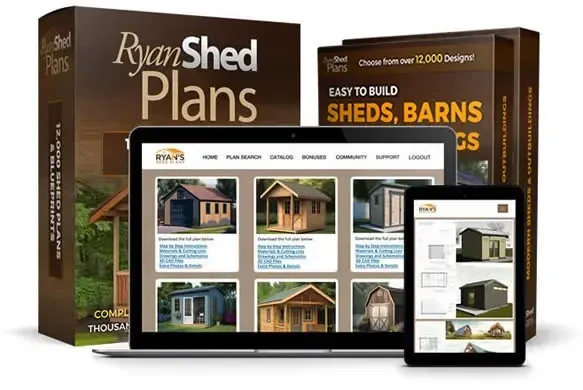
A large digital plan library lets you browse thousands of shed styles and layouts side by side before choosing one.
Explore the Complete My Shed Plans PackageStorage Shed Layout Ideas
The interior layout is often more important than the exterior design. A poorly organized large shed can feel less useful than a carefully planned smaller one.
Create Storage Zones
Group similar items together — for example, gardening tools, lawn equipment, sports equipment, seasonal decorations, and household storage.
Use Wall Space
Walls can support shelves, hooks, pegboards, tool racks, and cabinets. This helps keep the floor clear.
Keep Frequently Used Items Accessible
Do not place equipment you use every week behind boxes that you access once a year. A simple rule is: frequent-use items near the entrance, long-term storage farther away.
Door Ideas for Your Shed
Doors affect both the appearance and usability of the structure.
Single Door
A single door can work well for small garden sheds, basic storage, and limited-access spaces.
Double Doors
Double doors may be useful when storing lawn equipment, large tools, bicycles, or wider items.
Sliding Doors
Sliding doors can create a distinctive appearance and may be practical for certain designs. However, the door system should be appropriate for the available space and construction style.
Before selecting a plan, think about the largest object that will regularly move through the entrance. That measurement can be more important than the door's appearance.
Shed Window Ideas
Windows can improve the interior by providing natural light. They may be especially useful for workshops, hobby spaces, and garden work areas.
However, windows also take up wall space. Before adding several windows, consider where you plan to install shelves, tool racks, cabinets, and workbenches. A good layout balances light with storage.
Backyard Shed Placement Ideas
Where you place the shed matters. Before construction, consider distance from property boundaries, access from the house, drainage, sun exposure, nearby trees, underground utilities, and local setback requirements.
A shed hidden in the farthest corner of the property may maximize open yard space, but it may also become inconvenient if you use the structure every day. Similarly, placing a shed too close to large trees may create maintenance issues from falling branches or leaves.
The ideal location balances accessibility, drainage, appearance, and applicable local requirements.
Shed Color and Exterior Ideas
The exterior finish can help the shed blend into the backyard or stand out as a design feature. Popular approaches include the following.
Natural Wood Appearance
This can complement gardens and outdoor spaces. However, exterior wood finishes may require ongoing maintenance depending on the materials and climate.
Neutral Colors
Soft grays, beige tones, and muted natural colors can create a simple appearance that works with many different home styles.
Matching the Main House
Some homeowners prefer matching trim, roof color, siding style, and exterior paint. This can make the shed feel like a more integrated part of the property. The best choice depends on the overall backyard design.
Multi-Purpose Shed Design Ideas
A multi-purpose shed can be useful when you need more than simple storage. For example, one section could store equipment while another contains a small workbench. Possible combinations include storage plus workshop, garden storage plus potting area, bicycle storage plus equipment storage, or hobby space plus general storage.
The key is to divide the space intentionally. Without a plan, multi-purpose sheds can quickly become crowded. Think about the workflow before construction: where will you enter, what items will you use most often, where will larger equipment be stored, and where will you need open floor space? These questions can help determine the best layout.
How to Choose a Shed Design for Your Backyard
A simple decision process can make choosing easier.
Measure Your Available Space
Do not estimate. Measure the actual area and consider access around the future structure.
Define the Main Purpose
Storage, workshop, garden use, or a combination.
List What Will Go Inside
Include current items, expected future equipment, shelving, and work surfaces.
Set a Realistic Budget
Remember to include the full project cost — not only the cost of the plans. For a closer look at plan-package pricing and value, see our My Shed Plans pricing guide.
Compare Multiple Designs
Do not automatically choose the first design you like. Compare size, layout, door placement, roof style, complexity, and material requirements.
A large plan collection can be useful at this stage because it allows you to compare different approaches before committing to one design. If that approach sounds useful for your project, you can explore the complete My Shed Plans package and review the currently available collection.
Shed Design Mistakes to Avoid
Choosing Style Over Function
An attractive shed that does not meet your storage needs may become frustrating quickly.
Underestimating Storage Requirements
Consider future purchases and seasonal items.
Ignoring Access
Think about how you will move equipment into and out of the shed.
Forgetting Interior Organization
Plan shelves, hooks, and work areas before construction.
Ignoring Drainage
The building should be positioned and prepared with appropriate attention to water management.
Skipping Local Research
Building requirements, setbacks, and permit rules may apply depending on your location.
Where to Find Shed Design Inspiration
You can find ideas through home improvement resources, woodworking publications, DIY plan collections, landscape design resources, and individual shed plan providers.
When gathering inspiration, separate visual ideas from construction plans. A photograph can show you what you like. A detailed building plan helps explain how the structure may be built.
If you are considering a large collection of plans for both inspiration and project selection, our My Shed Plans review provides a closer look at what that type of package offers.
Frequently Asked Questions About Shed Design Ideas
What Is The Best Shed Design?
The best design depends on your available space, intended use, budget, and personal preferences.
What Type Of Roof Is Best For A Shed?
Different roof styles offer different benefits. The appropriate choice depends on the desired appearance, local weather conditions, construction complexity, and the selected design.
How Big Should A Backyard Shed Be?
Start by listing what you need to store and include space for movement, shelving, and possible future needs.
Should A Shed Have Windows?
Windows can provide natural light, especially in workshops or hobby spaces. However, they also reduce available wall space for storage.
How Can I Make A Small Shed Feel Larger?
Use vertical storage, keep the floor organized, avoid unnecessary partitions, and create a clear layout.
Can I Use A Shed As A Workshop?
Potentially, depending on its size, construction, ventilation, electrical requirements, and applicable local regulations.
Where Can I Find Plans For Different Shed Designs?
You can use individual plan providers, DIY resources, or broader plan collections. For help understanding what to look for, read our DIY shed plans guide.
Final Thoughts: Choosing the Right Shed Design
The best shed design is one that works with your property and your daily needs. Start with function. Decide what you need to store, how much space you have, and how you want to use the building. Then compare roof styles, layouts, doors, windows, and interior organization.
A visually attractive design is a bonus — but practical use should come first.
Ready to Compare a Large Collection of Designs?
If you want to compare a large number of shed designs and DIY project ideas before deciding, view the complete My Shed Plans collection on the official page.
View the Official My Shed Plans Offer