Woodworking can be as simple as building a small storage shelf or as ambitious as creating outdoor furniture, workshop projects, garden structures, or an entire shed.
The challenge is not usually finding an idea. The challenge is choosing a project that matches your skill level, available tools, budget, and the amount of time you realistically want to invest.
A good woodworking plan can provide structure before you start cutting materials. Depending on the project, it may include measurements, diagrams, materials lists, cut information, and step-by-step instructions.
This guide explores different types of woodworking plans and DIY projects, how to choose the right project, and what to consider before getting started.
If your main goal is to build an outdoor structure, you may also want to start with our complete DIY shed plans guide.
What Are Woodworking Plans?
Woodworking plans are project guides designed to help you understand how a finished item can be built. The level of detail varies from one plan to another, but a useful plan may include:
- Project dimensions
- Materials requirements
- Cut lists
- Assembly instructions
- Diagrams
- Measurements
- Tool recommendations
- Finishing suggestions
Some plans are designed for beginners, while others assume significant experience. That difference matters. A visually attractive project may not be a good first project if it requires advanced joinery, specialized tools, or precise techniques that you have never used before.
The best starting point is to choose a project that is slightly challenging but still realistic.
Popular Types of Woodworking Projects
Woodworking covers a wide range of project types.
Storage Projects
Storage projects are often beginner-friendly because they can be adapted to your available space. Examples include shelves, storage boxes, wall racks, tool organizers, simple cabinets, and outdoor storage units. These projects can also help beginners practice measuring, cutting, assembling, and finishing.
Furniture Projects
Furniture projects may include tables, benches, chairs, bookcases, desks, and cabinets. The complexity can range from very simple designs to advanced projects involving detailed joinery.
Outdoor Woodworking Projects
Outdoor projects are especially popular because they can add useful features to a garden or backyard. Examples include benches, planters, tables, garden storage, raised beds, outdoor seating, and small structures. Outdoor projects require additional attention to material selection and weather protection.
Shed and Garden Structures
Larger projects may include storage sheds, garden sheds, workshops, lean-to structures, and small utility buildings. These projects require more planning because they involve site preparation, structural considerations, materials, and potentially local requirements. For more guidance on selecting a structure, explore our shed design ideas and layouts.
How to Choose the Right DIY Project
Before choosing a plan, answer a few practical questions.
What Is Your Skill Level?
Be honest about your current experience. If you are a beginner, a project involving straightforward cuts and simple assembly may be a better starting point than a complex cabinet or large structure. Beginner-friendly projects can help you develop confidence with measuring, marking, cutting, drilling, fastening, sanding, and basic finishing.
What Tools Do You Have?
Do not choose a project based only on how the finished product looks. Check what tools the project requires. You may already own basic tools, but some plans could require specialized equipment. Consider whether buying or renting additional tools makes sense for the project.
How Much Space Do You Have?
Your workspace matters. A large furniture project may be difficult to build in a small indoor area. Likewise, a large outdoor structure requires enough space for materials, cutting, assembly, and safe movement around the project.
What Is Your Budget?
The cost of materials can vary considerably. Create a basic project budget that includes:
| Expense | Examples |
|---|---|
| Lumber or materials | Boards, plywood, exterior materials |
| Hardware | Screws, hinges, brackets |
| Tools | Purchases or rentals |
| Finishing supplies | Paint, stain, sealants |
| Safety equipment | Eye and hearing protection |
| Optional upgrades | Handles, decorative hardware, accessories |
A simple plan can become an expensive project if you do not estimate the full cost before starting.
Beginner Woodworking Projects
Beginners often benefit from projects with straightforward dimensions, simple cuts, common materials, minimal complex joinery, and clear instructions. Examples might include simple shelves, storage crates, small benches, planter boxes, tool organizers, and basic outdoor tables.
The goal of an early project should not be perfection. It should be learning. Even a simple project can teach important skills about measuring accurately, checking cuts, assembling components, and correcting small mistakes.
As your confidence grows, you can gradually move toward larger and more complex projects.
Why Choosing the Right Plan Matters
A woodworking plan is not just a set of instructions. It is also a planning tool. A useful plan can help you understand the project before you purchase materials. Ideally, you should be able to answer questions such as: how large will the finished project be, what materials are required, what tools will I need, how complicated is the construction, how much workspace is required, and what steps are involved?
This information can help you decide whether the project is realistic for your situation.
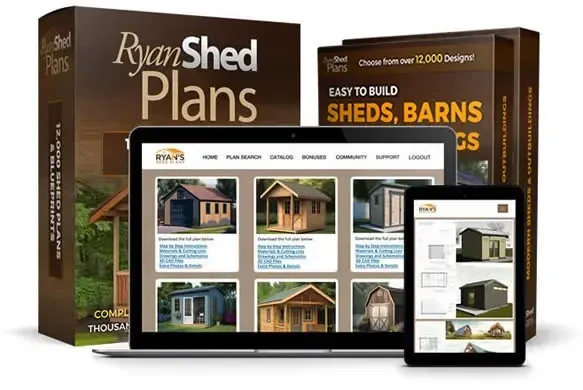
If you are interested in comparing a large collection of shed and DIY project plans, you can also explore the complete My Shed Plans package to review the currently available offer and project collection.
Want a Broad Collection Instead of One Plan?
A large digital library lets you browse thousands of shed and woodworking projects and pick the ones that fit your skill level.
See What's Included in My Shed PlansFree Woodworking Plans vs. Paid Plans
Both free and paid resources can be useful. The important question is whether the information is clear, complete, and appropriate for your project.
Free Plans
Potential advantages: no initial cost, easy access, useful for discovering project ideas.
Potential limitations: varying levels of detail, inconsistent measurements, limited instructions, and information spread across multiple pages.
Individual Paid Plans
These may be useful when you have already selected a specific project. You can focus on one design rather than sorting through a large collection.
Larger Plan Collections
A larger collection may appeal to people who enjoy multiple DIY projects, want to compare different designs, build projects regularly, or prefer having a variety of ideas available. The value depends on how many projects you expect to use.
If you are considering My Shed Plans specifically, our My Shed Plans review provides a detailed overview of the product and who it may suit.
Outdoor Woodworking Projects: What to Consider
Outdoor projects face conditions that indoor furniture does not. Before starting, think about moisture, rain exposure, sunlight, temperature changes, ground contact, and long-term maintenance.
Material selection and protective finishes can affect how a project performs over time. A project that looks good immediately after construction may require regular maintenance depending on the materials and local climate. Always choose materials and finishes appropriate for the intended environment.
Planning a Larger DIY Project
Larger projects require more preparation. For example, building a shed or workshop may involve decisions about location, size, foundation, framing, roofing, doors, windows, storage layout, and local requirements.
Trying to solve all of these problems while construction is already underway can create unnecessary complications. A better approach is to create a project checklist first.
| Planning Question | Your Decision |
|---|---|
| What am I building? | |
| What will it be used for? | |
| What size do I need? | |
| Where will it be located? | |
| What materials are required? | |
| What tools do I need? | |
| What is my estimated budget? | |
| Are local requirements relevant? |
For a more detailed breakdown of this process, read our DIY shed plans and planning guide.
Common Mistakes When Choosing Woodworking Plans
Choosing a Project That Is Too Advanced
Starting with a complex project can lead to frustration and wasted materials. Choose something that matches your current abilities.
Ignoring Tool Requirements
Always review the required tools before buying materials.
Not Checking Measurements
A project may look suitable until you realize that it does not fit the intended space. Measure before you start.
Underestimating Material Costs
Create a rough budget before purchasing.
Rushing the Planning Stage
A few minutes spent reviewing dimensions and instructions can prevent expensive mistakes later.
Choosing Appearance Over Function
A beautiful project that does not meet your practical needs may not be worth the effort.
This principle applies especially to larger structures. If you are choosing between several layouts, our shed design ideas guide can help you compare different styles and practical features.
How to Organize Your Woodworking Projects
If you plan to complete multiple projects, organization becomes increasingly useful. Consider keeping a simple record of the project name, plan source, materials used, estimated cost, actual cost, tools required, time spent, and changes you made.
This can help you improve your planning over time. It also makes it easier to identify which types of projects you enjoy most.
Building Skills Through Progressive Projects
One practical approach to woodworking is to gradually increase project complexity. For example:
Basic Projects
Focus on measuring, straight cuts, screws and basic fasteners, and sanding.
Intermediate Projects
Add more detailed assembly, larger projects, improved finishing, and basic joinery.
Advanced Projects
Potentially involve complex joinery, custom designs, larger furniture, and structural projects.
There is no need to rush. A series of successful smaller projects can prepare you for larger work much more effectively than immediately attempting the most difficult project you can find.
DIY Projects for the Home and Garden
Woodworking does not need to remain inside a workshop. Many practical projects can improve storage, organization, and usability around the home. Ideas may include entryway storage, garage organizers, wall shelves, garden planters, outdoor benches, tool storage, potting tables, raised garden beds, and backyard storage structures.
The best project is often one that solves a real problem. Before building something simply because it looks interesting, ask whether it will actually be useful in your home, workshop, or backyard. A useful project can provide both practical value and an opportunity to develop new skills.
How to Find New Woodworking Project Ideas
When looking for inspiration, separate the process into two stages.
Stage 1: Find Ideas
Look at different project categories and identify what interests you. You might discover that you prefer outdoor projects, storage solutions, furniture, garden structures, or workshop organization.
Stage 2: Evaluate the Plan
Once you find an idea, review whether the plan matches your skill level, available tools, workspace, budget, and available time. This prevents the common mistake of becoming excited about a project before checking whether it is practical.
If you prefer browsing a broad range of project ideas in one collection, you can view the current My Shed Plans package and see whether its available plans match the types of projects you want to build. For information about the product's price and advertised value, see our My Shed Plans pricing guide.
Frequently Asked Questions About Woodworking Plans and DIY Projects
What Is A Good First Woodworking Project?
A good first project is usually simple, practical, and appropriate for the tools and skills you already have. Small shelves, storage boxes, organizers, and basic benches can be reasonable starting points.
Do I Need Expensive Tools To Start Woodworking?
Not necessarily. The tools required depend on the project. Start with projects that match the equipment you have rather than buying numerous tools before you know what type of woodworking you enjoy.
Are Free Woodworking Plans Good?
Some can be useful, but the level of detail varies. Review the measurements, materials information, instructions, and diagrams before committing to a project.
How Do I Choose The Right Woodworking Plan?
Consider your skill level, available tools, workspace, budget, and the purpose of the finished project.
What Are Good Outdoor Woodworking Projects?
Outdoor benches, planters, storage units, garden furniture, and raised beds are common options. Material selection and weather protection should be considered carefully.
Can Beginners Build A Shed?
Some smaller and simpler shed projects may be manageable for beginners with adequate preparation and appropriate instructions. Larger or more complex structures require more planning and may involve additional requirements. For a detailed starting point, see our complete DIY shed plans guide.
Is A Large Collection Of Woodworking Plans Worth Buying?
It depends on how often you plan to use it. A large collection may provide more value to someone completing multiple projects than to someone who needs only one specific design. You can also read our My Shed Plans review for a closer look at one collection-based option.
Final Thoughts: Choosing the Right Woodworking Plan
The best woodworking plan is not necessarily the most complicated project or the one with the most impressive finished appearance. It is the project that matches your current situation.
Start by considering what you want to build, why you want to build it, your current skill level, the tools you already have, your available workspace, and your realistic budget. Then choose a plan that provides a clear path from preparation to completion.
Ready to Browse the Complete Collection?
If you are interested in a broader collection of shed plans, woodworking projects, and DIY ideas, explore the complete My Shed Plans package and review the current offer and available details.
Explore the Complete My Shed Plans Package